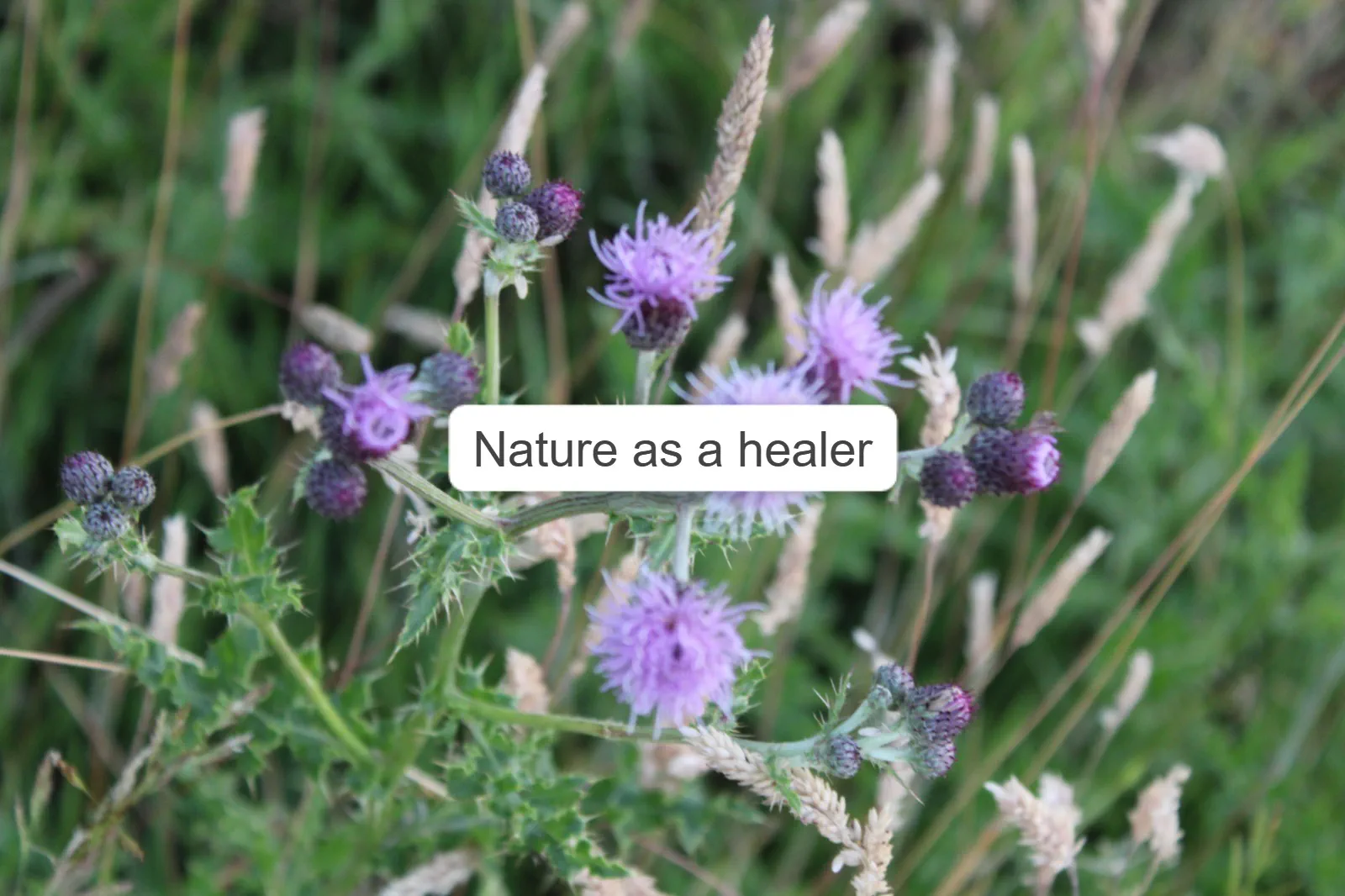
Nature as a healer
I am sure you have listened or read about the various therapies available to support you with your psychological issues. Three mainstreams approached come in mind, namely Cognitive Behavioural Therapy (CBT), Person-centred and Psychodynamic.
All have benefits such as unpacking your childhood trauma, if there are any, in the case of Psychodynamic (Simply Psychology ,2026). Meanwhile, CBT challenges your irrational way of thinking, feeling, and behaving whilst the Person-Centred therapy aims at supporting yourself-actualisation (BACP, 2026).
All those therapies require you to rely on a professional in a therapy room or remotely. But what if you need more than a mere conversation with a mental health practitioner which is a stranger to you?
Sometimes, a walk in a park or near a pond can be as healing and more therapeutic than engaging with a complex psychological homework.
This is because nature can calm and relax your mind in a remarkably effective and pleasant way.
And Nature therapy is a framework based on the idea that the lack of access to the natural world increases people’s psychological deterioration (Berger 2009; Berger and Lahad, 2013 as cited in Berger, 2020).
So many of us experience low self-esteem, anxiety, depression and loneliness amongst others. This is highly relevant for domestic abuse survivors.
The feeling of disconnect from nature can seem at times unbearable.
Although, my ability to provide Nature therapy is limited as a Psychology student, I can bring it to you through photography…so there it is!
A little bit of peace, quiet, harmony, and self-loathing.
Enjoy!!!
Frederique
Reference:
- Simply Psychology (2026) Psychodynamic Approach In Psychology. Available at: Psychodynamic Approach In Psychology(Accessed 25 September 2026)
- BACP(2026) What is person-centred counselling?. Available at: What is person-centred counselling? | Types of therapy(Accessed 26 September 2026)
- Berger, R. (2020) “Nature Therapy: Incorporating Nature Into Arts Therapy,” The Journal of humanistic psychology, 60(2), pp. 244–257. Available at: https://doi.org/10.1177/0022167817696828.