- Domestic Abuse
Attachment and domestic violence
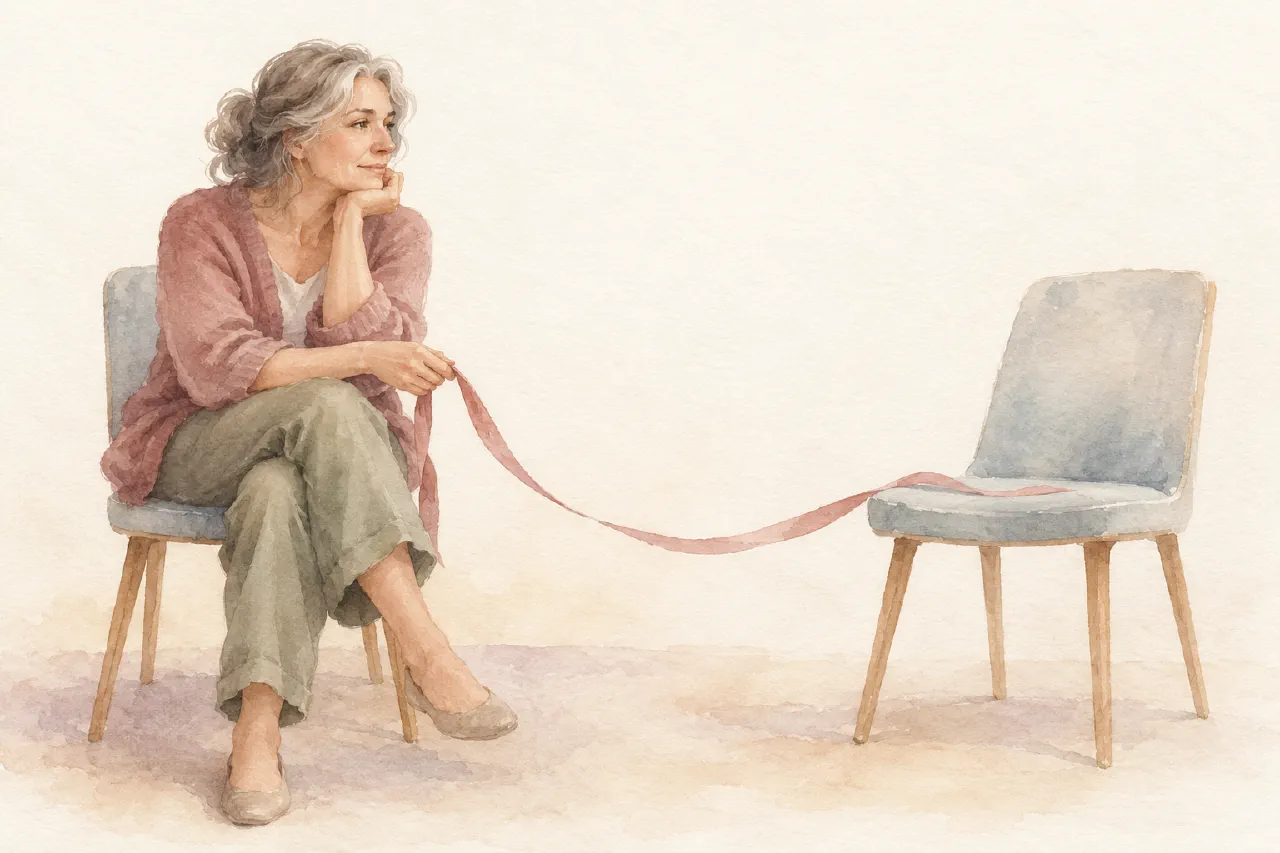
The concept of attachment is engraved in the way in which most people think about the emotional bond between individuals.
This bond is universally expected to happen between parents and children which makes attachment one of the very first human emotional experience.
Now, when attachment is viewed contextually to domestic violence, there is a sense of judgment that comes into question.
- Why would someone choose to stay attached to an abuser?
- Why not leave the relationship at the very first signs of mistreatment?
The reality is that attachment can bring many benefits to a child ranging from emotional wellness or self-regulation mastery.
However, as adults, attachment takes also place outside of one’s inner world. This means that domestic violence survivors have to carefully examine their finances, their support systems, their environment, their families and so on to determine whether or not it is appropriate to break the bond with their partner.
The mental workload in relation to the breakdown of the relationship is often exhausting, to say the least. Meanwhile, they still have to go through the cycle of abuse which is a challenge in itself.
So, the logistics of it can be heavy. To conclude, it may be helpful and necessary to consider attachment and abuse as something highly sensitive.
Whether or not your childhood experiences was nurturing, attachment as an adult can ask you to engage differently with others.
This is because attachment is very complex and multifaceted.